

Hareem Farooq’s Viral Beauty Standards Post: Full Breakdown
Actor and producer Hareem Farooq has gone viral with an Instagram post challenging conventional beauty standards. Her message: none of the things society calls “imperfections” determine your beauty or your worth.
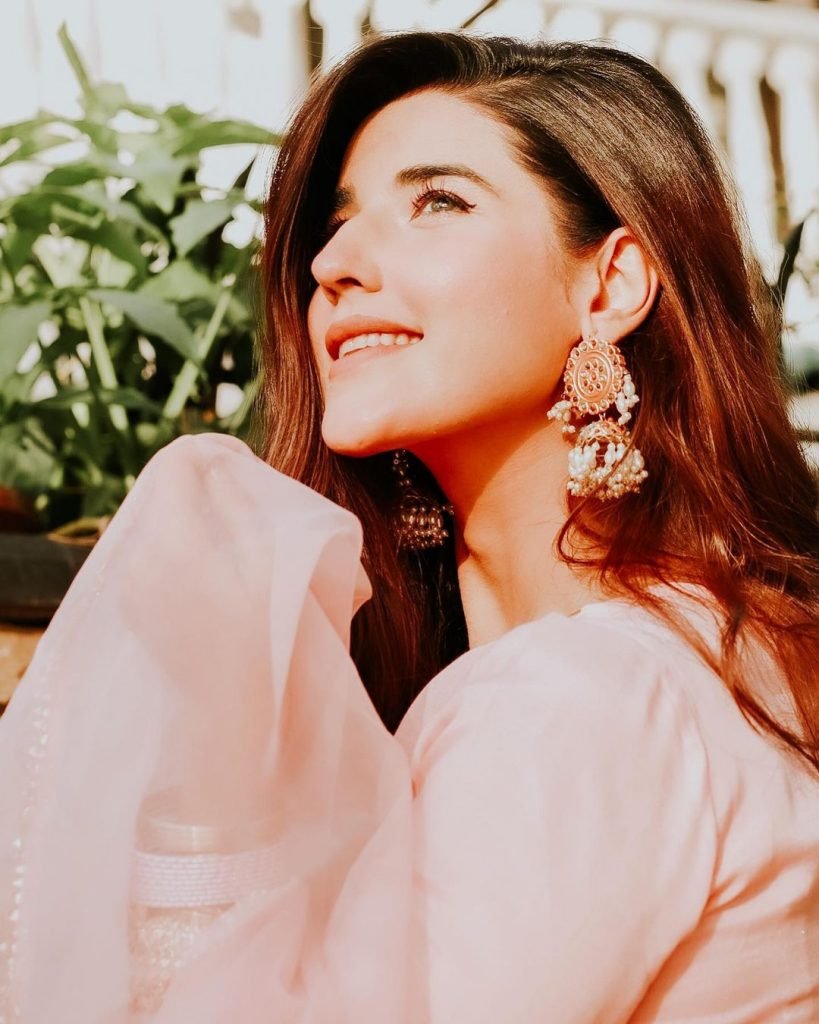
She shared the post on Sunday, 28 September 2026. It featured photos of herself on a rooftop in a brown dress by designer Manal Saleem.
The pictures highlighted her stretch marks. The caption went much further, listing dozens of physical features people are taught to feel insecure about.
Quick Facts: Hareem Farooq Beauty Standards Post
| Detail | Fact |
|---|---|
| Platform | Instagram (@hareemfarooq) |
| Posted | 28 September 2026 |
| Photos | Rooftop shoot, brown dress by Manal Saleem, stretch marks visible |
| Core message | Physical features do not determine beauty or worth |
| Key line | “Be unapologetically yourself” |
| Standout quote | “Your body is not a public debate, a cautionary tale or an invitation for commentary” |
| Reaction | Widely positive; followers shared own body-image experiences |
| Trend status | “hareem farooq” spiked on Google Trends; top rising query “hareem farooq beauty standards post” |
What Hareem Farooq Actually Wrote
Farooq opened with a long list. She named the features and changes that attract unfair scrutiny.
“Stretch marks. Acne. Marks. Hair loss. Weight gain. Extreme weight loss. Flabby arms. Toned arms. Back rolls. Thick bodies. Thin bodies,” she wrote.
She continued across skin and hair. “Tan, fair or golden skin. Thin or voluminous hair. Straight or curly hair and what not.”
Her conclusion was direct. “None of these determines your beauty or your worth,” she wrote.
She then reframed where beauty actually lives. She listed empathy, honesty, courage, helpfulness, character, perseverance, joy, faith, kindness and fearlessness.
She went deeper still. “The love you carry in your heart, the intelligence of your mind, the purity of your soul, the glimmer of hope in your eyes,” she wrote.
She added how a person faces adversity, treats others, owns their roots and values, and lifts other people up.
Why Bodies Change: Her Argument
Farooq grounded the post in biology and life experience. Bodies change, she argued, and that is normal.
She listed the causes: pregnancy, hormones, illness, stress, trauma, grief and survival. None of these are failures, she implied.
Then she named the added pressure. Society layers patriarchal beauty standards on top of natural change, she wrote.
Those standards pressure people, “especially women,” to remain a particular size and shape. They define what counts as acceptable appearance.
Her instruction to followers was gentle but firm. “Accept, embrace and honour your body. It has carried you through the good, the bad, the extraordinary and the unbearable.”
“Be grateful for it. Be gentle with it. Carry it towards health with gratitude being your best friend,” she wrote.
The Line That Hit Hardest
One sentence travelled further than the rest. “Your body is not a public debate, a cautionary tale or an invitation for commentary,” Farooq wrote.
It addressed unsolicited remarks about appearance directly. She argued nobody should have to explain changes in their body.
She extended the point to everyday freedom. “Let everybody exist without needing permission,” she wrote.
“Let people dress, age, change, heal and take up space without being measured against someone else’s standards.”
She closed with a call to action. “Be unapologetically yourself and make room for everyone else to do the same.”
Why the Post Went Viral
Timing helped. Conversations about body image and celebrity pressure were already active on Pakistani social media.
Authenticity helped more. Farooq did not just write about acceptance in the abstract. She posted photos showing the very features she described.
The list format made it shareable. Readers saw their own insecurities named one by one, which made the post feel personally addressed.
Her track record added weight. This was not her first statement on the subject. She has previously spoken against body shaming.
Notably, she once declined to follow a crash diet for her role in Bismil. That history made the new post feel consistent rather than performative.
The numbers followed. “hareem farooq” spiked on Google Trends, with “hareem farooq beauty standards post” as the breakout rising query.
Public and Celebrity Reaction
The response was overwhelmingly positive, according to entertainment reports.
Followers shared their own experiences with body-image struggles in the comments. Many thanked her for addressing the issue openly.
Several described feeling seen by the specific list of features. Naming acne, hair loss and weight changes made abstract support feel concrete.
The post also drew attention from media outlets across Pakistan. Geo, Dawn Images and The Express Tribune all covered the message within days.
Commentators noted the balance in her framing. She did not present health and body acceptance as opposites.
Instead, she urged followers to work toward health while treating their bodies with gratitude. That nuance won praise.
Hareem Farooq’s History With This Cause
Farooq has returned to body-image themes more than once in her public life.
Her decision around Bismil is the best-known example. She refused extreme dieting for the role, prioritising health over a demanded look.
She has also spoken in interviews about the pressure actresses face to maintain specific appearances. The industry, she has suggested, applies narrow standards.
As a producer as well as an actor, her voice carries differently. She is not only subject to the system but also helps shape what gets made.
Her credits include producing Janaan and acting across film and television. That dual role gives her statements added context.
What the Post Means Beyond Celebrity News
The viral moment points to a wider shift. Audiences increasingly reward honesty over polish from public figures.
Body-image content performs strongly because it meets a real need. Many readers carry the exact insecurities Farooq named.
Her post also modelled a tone. It was firm about standards but gentle toward people, including herself.
For Pakistani entertainment, it adds to a slow change. More actors now discuss pressure, health and self-acceptance publicly.
Whether it changes industry casting or styling norms is a longer question. For now, the conversation itself is the win.
Related reading: our entertainment coverage includes Aangan Episodes 1 & 2, Dar-e-Nijaat Episode 19, Ayra from Meri Zindagi Hai Tu, and Kamyar from Meri Zindagi Hai Tu. For background on the actor, see Hareem Farooq on Wikipedia.
Frequently Asked Questions
What did Hareem Farooq say in her beauty standards post?
In an Instagram post on 28 September 2026, Hareem Farooq shared photos highlighting her stretch marks and listed features like acne, hair loss, weight changes and body shape. She wrote that none of these determine a person’s beauty or worth, and urged followers to value empathy, courage, kindness and character instead.
Why did Hareem Farooq’s post go viral?
The post combined unretouched photos with a detailed, relatable list of insecurities. Her history of speaking against body shaming, including refusing a crash diet for Bismil, made it feel authentic. “hareem farooq” spiked on Google Trends as the post travelled.
What was Hareem Farooq wearing in the viral photos?
She posed on a rooftop in a brown dress designed by Manal Saleem, with her stretch marks visible in the photos.
What is Hareem Farooq’s stance on body shaming?
She argues bodies naturally change through pregnancy, hormones, illness, stress, trauma and grief, and that patriarchal beauty standards unfairly pressure women. Her key line: “Your body is not a public debate, a cautionary tale or an invitation for commentary.”
Has Hareem Farooq spoken about beauty standards before?
Yes. She has previously addressed body shaming publicly, most notably when she declined to follow a crash diet for her role in the drama Bismil.
How did fans react to the post?
According to entertainment reports, reactions were widely positive. Followers shared their own body-image experiences in the comments and praised her for addressing the issue openly.