


The Dar-e-Nijaat drama story, written by Umera Ahmed and directed by Saqib Khan, is built around one of the most ambitious moral conflicts in recent Pakistani television: the clash between worldly ambition and spiritual redemption, driven by a deep emotional betrayal.
Here is the complete story, the main conflict, and the themes that hold it together. See the full cast and characters.
| Quick Facts | Dar-e-Nijaat |
| Channel | ARY Digital |
| Air days | Friday & Saturday |
| Time | 8:00 PM PKT |
| Premiered | 1 August 2026 |
| Writer | Umera Ahmed |
| Director | Saqib Khan |
| Lead cast | Sheheryar Munawar (Abu Bakar), Dur-e-Fishan Saleem (Zaryab), Nameer Nawaz Khan (Zamil), Romaisa Khan (Hamna), Sahar Hashmi (Bella) |
| Episodes | 29 aired as of 8 Nov 2026; Episode 30 airs 13 Nov 2026 |
| Where to watch | ARY Digital; full episodes on ARY Digital YouTube |

The Premise
ARY Digital’s official synopsis describes Dar-e-Nijaat as “a gripping tale of Abu Bakr, Zaryab, Zamil, and a family bound together by love and torn apart by secrets. When faith is tested, trust is broken, and revenge takes root, who will find their path to redemption… and who will lose everything trying?”
At its centre are three people: Zaryab, a modern and ambitious young woman; Zamil, her childhood best friend turned lover; and Abu Bakar, a grounded and deeply spiritual university professor who becomes her husband.
Dar-e-Nijaat Drama Story: The Complete Plot
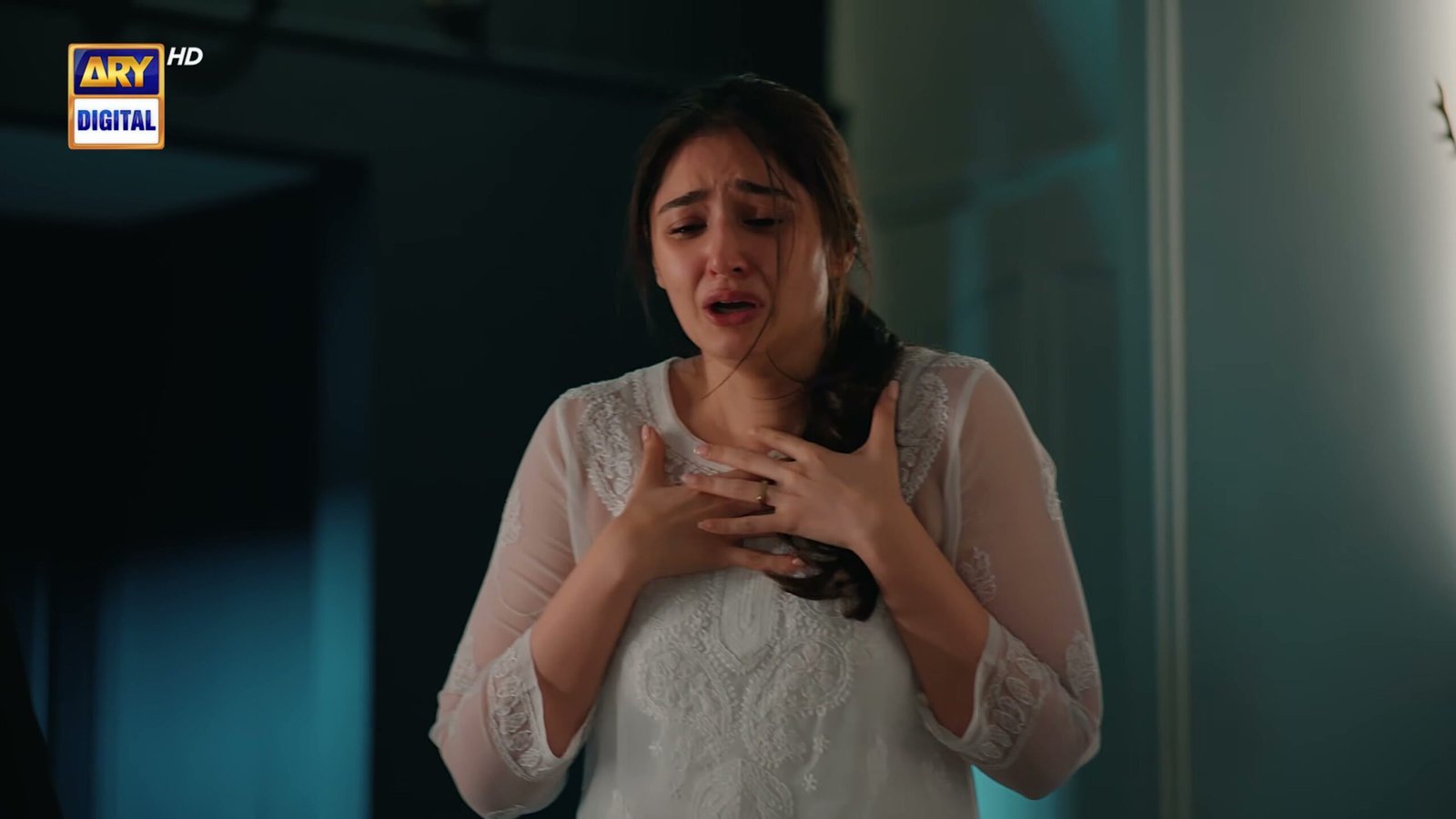
The love story. Zaryab and Zamil grow up as childhood best friends, and their friendship turns into love. Zaryab is hopeful and committed — she even changes her decision about going to Harvard for Zamil. Zamil, privileged and academically gifted with admission to a top American school, seems to have everything.
The cracks. Zamil’s ambition and insecurity begin to poison the relationship. He distances himself from Zaryab and undergoes a religious turn, eventually rejecting her as not “pious” enough to be his wife — calling their past relationship his “era of ignorance” and insisting he needs a wife who will help him become more religious.
The betrayal. Zamil secretly marries someone else: Hamna, a young woman from a lower social background whom Abu Bakar once left at a madrassah after she eloped to marry him. When Zaryab learns the truth, the heartbreak shakes her and deepens tensions within her own family.
The aftermath. Zaryab’s suffering does not end with the breakup. Zamil’s mother confronts and shames her for having lived with Zamil before their Nikah; overwhelmed, Zaryab suffers a panic attack. It is Abu Bakar who arrives, notices her condition, and helps her regain control — responding with empathy where others offer judgment.
The marriage. Abu Bakar’s story connects with Zaryab’s life, and Zaryab marries him. But Zamil cannot accept losing her. He brings Zaryab’s past to Abu Bakar, hoping to destroy the trust between them — only for Abu Bakar to question Zamil’s right to shame Zaryab for a past he himself was part of. The marriage survives on principle but remains strained by emotional distance, while hidden family connections keep surfacing.
The breaking point. In the recent episodes, the tension peaks when Abu Bakar refuses to go ahead with his Nikah to Zaryab just hours before the ceremony, after Zaryab sends him a message revealing she still wants to give Zamil one last chance.
The Main Conflict: Ambition vs Redemption

The drama’s central conflict is the clash between worldly ambition and spiritual redemption.
Zamil embodies the first: his ambition — for status, for a “pious” image, for control — destroys everything he touches. Abu Bakar embodies the second: a man who believes in “forgetting past and discussing ideas rather than people,” raised by his mother Khushbakht on forgiveness.
But Umera Ahmed complicates the picture. Zamil’s “spirituality” is shown to be hollow — a performance of piety used to justify cruelty.
The drama asks whether redemption is real when it is applied selectively: why is Zamil’s past forgiven as an “era of ignorance” while Zaryab is shamed for hers? This question of double standards — who gets to be redeemed and who must keep paying — is the story’s sharpest edge.
Themes
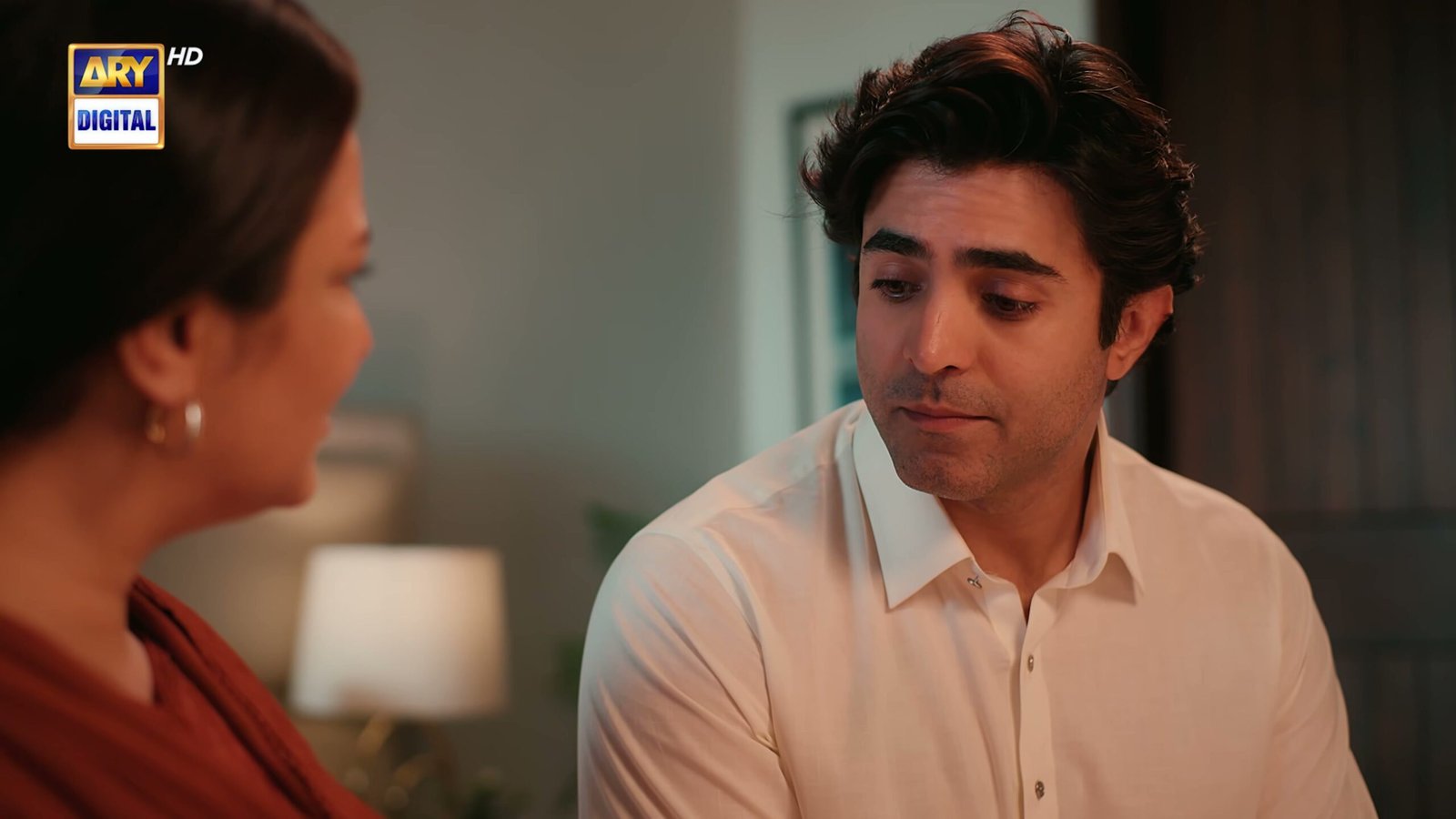
- Faith vs performative piety — Abu Bakar’s quiet spirituality contrasted with Zamil’s weaponised religiosity.
- Love and betrayal — a childhood love destroyed by ambition and hypocrisy.
- Heartbreak and healing — Zaryab’s journey from devastation toward self-respect.
- Moral accountability — every choice carries a price; no one escapes consequence.
- Judgment vs empathy — the drama repeatedly contrasts those who shame Zaryab with Abu Bakar, who helps her.
- Family secrets — hidden connections (Hamna’s past with Abu Bakar, Zamil’s secret marriage) keep detonating.
Character Relationships
- Zaryab & Zamil — childhood best friends turned lovers; destroyed by his betrayal.
- Zaryab & Abu Bakar — husband and wife; principle versus emotional distance.
- Zamil & Hamna — secretly married; he chose her, yet cannot let Zaryab go.
- Hamna & Abu Bakar — a past elopement links them.
- Khushbakht (Sania Saeed) — Abu Bakar’s mother; the moral anchor who raised him on forgiveness.
- Zaryab’s family — father Habib, mother Shamsa, grandmother Kishwar Jahan; Zaryab is the youngest of three sisters.
What the Story Says About Society
Beyond the romance, Dar-e-Nijaat functions as social commentary. Zamil’s storyline — a man who commits every betrayal and then claims religious superiority — mirrors a real double standard: men are granted the room to err and be forgiven, while women are expected to carry their past indefinitely.
Zaryab’s panic attack after being publicly shamed, and Abu Bakar’s calm refusal to participate in that shaming, dramatise the difference between a society that punishes women and individuals who choose empathy.
The drama’s title itself — the “door of redemption” — asks who that door is actually open for. New episodes air Fri & Sat at 8:00 PM PKT on ARY Digital, with full episodes on ARY Digital’s official YouTube channel — Episode 30 airs Friday 13 November 2026.
The OST
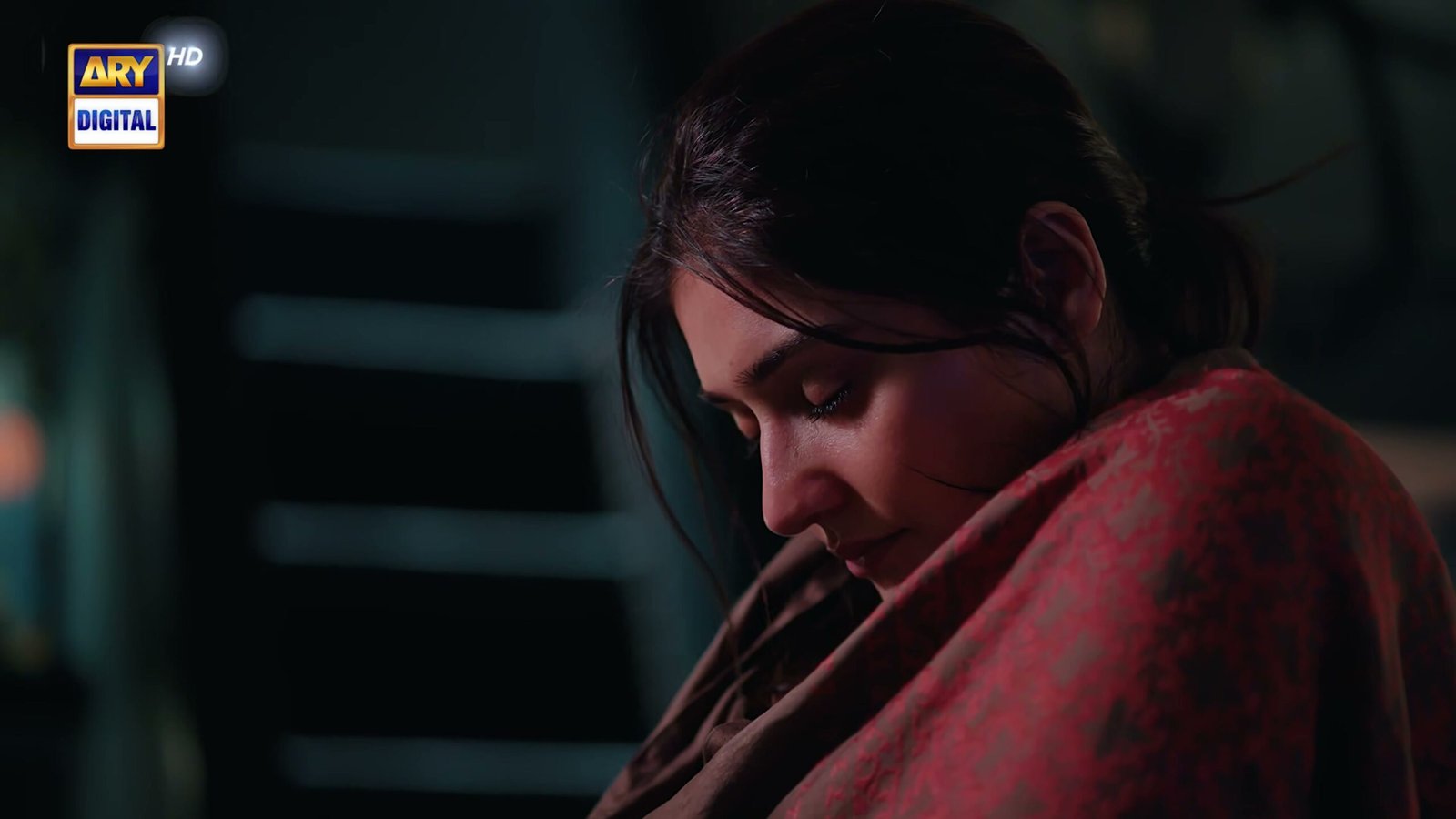
The drama’s title track, “Alvida Alvida,” is performed by Nabeel Shaukat Ali and Osaf Fateh Ali Khan, composed by Naveed Nashad with lyrics by Qamar Nashad — a melancholic number that underscores the story’s themes of farewell and loss.
Frequently Asked Questions
What is the story of Dar-e-Nijaat?
It is the story of Zaryab, whose love for Zamil ends in betrayal when he secretly marries someone else, and her later marriage to the principled Abu Bakar — a tale of love, faith, betrayal and spiritual redemption.
What is the main conflict in Dar-e-Nijaat?
The central conflict is the clash between worldly ambition and spiritual redemption, intensified by Zamil’s betrayal — and complicated by the double standards around who is allowed to be forgiven.
Why did Zamil leave Zaryab?
Zamil distanced himself from Zaryab, claimed she was not “pious” enough to be his wife, called their past his “era of ignorance,” and secretly married Hamna.
Who does Zaryab marry in Dar-e-Nijaat?
Zaryab marries Abu Bakar (Sheheryar Munawar), a grounded and deeply spiritual university professor, after Zamil’s betrayal.
What are the themes of Dar-e-Nijaat?
Faith, love, heartbreak, moral accountability, spiritual redemption — and a pointed critique of double standards in how men and women are judged for their past.
3 thoughts on “Dar-e-Nijaat Story: Complete Plot & Main Conflict”